

Keeping your chimney clean is one of the most important parts of home maintenance if you regularly use your fireplace. A professional chimney sweep removes creosote, soot, debris, and other blockages that can reduce airflow and increase the risk of chimney fires. If you’re wondering about the Chimney Sweep Cost in Laguna Niguel, CA, understanding what affects pricing can help you budget more accurately and choose the right service provider. While every chimney is different, most standard chimney sweeping services typically cost between $150 and $400, with many homeowners paying around $250 depending on the chimney’s condition, accessibility, and inspection requirements. Homeowners trust Laguna Niguel Duct Pros for professional chimney inspections, cleaning, and repair services that help improve fireplace safety and performance. Experienced technicians inspect the chimney before cleaning, allowing homeowners to understand its condition and identify any maintenance or repair needs before they become costly problems. If your chimney has visible damage, poor drafting, smoke backup, or signs of deterioration, scheduling professional Chimney Repair services alongside routine chimney sweeping can help restore safe operation while extending the lifespan of your fireplace system. Before choosing a contractor, many homeowners also review Laguna Niguel Duct Pros on Google to learn about customer experiences and completed chimney service projects. What Is the Average Cost of a Chimney Sweep? The cost of a professional chimney sweep depends on several factors, but most homeowners can expect to pay within a fairly predictable range. Typical pricing includes: Basic chimney sweep: $150–$300 Standard chimney sweep with inspection: $200–$350 Complex chimney cleaning: $300–$400+ Additional services such as heavy creosote removal, chimney cap replacement, animal nest removal, or advanced camera inspections may increase the total cost. According to Chimney sweep information, regular chimney sweeping helps remove soot and creosote buildup while improving fireplace safety and ventilation. next What Factors Affect Chimney Sweep Costs? Several factors determine how much you’ll pay for professional chimney sweeping. While every home is different, understanding these variables helps homeowners compare estimates more accurately. One of the biggest factors is the condition of the chimney. A chimney that has been cleaned regularly usually requires less labor than one with years of heavy creosote or soot buildup. The height of the chimney, roof accessibility, fireplace type, and the presence of blockages such as bird nests or debris can also influence pricing. If technicians discover damaged flue liners, cracked masonry, deteriorating mortar joints, or chimney cap problems during the inspection, additional repairs may be recommended separately from the chimney sweeping service. What’s Included in a Professional Chimney Sweep? A professional chimney sweep involves much more than simply brushing the chimney. Most standard services include: Chimney inspection Removal of soot and creosote Cleaning the flue Fireplace firebox cleaning Smoke chamber inspection Basic draft evaluation Visual inspection for damage Many companies also use specialized vacuum systems that help keep dust and debris from entering the living area during the cleaning process. Depending on the condition of the chimney, technicians may recommend additional inspections or repairs if structural issues are discovered. Why Regular Chimney Sweeping Is Worth the Cost Routine chimney maintenance helps prevent much larger repair expenses later. As wood burns, creosote gradually accumulates inside the chimney. This highly combustible material can increase the risk of chimney fires if excessive buildup is allowed to remain. Regular chimney sweeping also helps: Improve fireplace efficiency Maintain proper airflow Reduce smoke backup Remove animal nests and debris Extend chimney lifespan Identify hidden damage early Investing in preventive maintenance is often significantly less expensive than repairing fire or water damage caused by neglected chimney systems. How Often Should You Schedule Chimney Sweeping? The frequency depends largely on how often you use your fireplace. Homeowners who burn wood regularly should generally schedule annual chimney inspections and cleanings whenever creosote accumulation reaches recommended levels. Fireplaces that are used only occasionally may require less frequent cleaning, but annual inspections are still recommended to identify moisture damage, nesting animals, cracked flue liners, or other developing problems before they worsen. Regular inspections help determine whether cleaning is actually needed rather than relying solely on a fixed schedule. Additional Services That May Affect Pricing During a chimney inspection, technicians sometimes discover issues beyond normal soot buildup. Additional services may include: Chimney cap replacement Chimney crown repair Flue liner repair Masonry repair Waterproofing Animal nest removal Smoke chamber repair Flashing repair These services are generally priced separately because they involve additional materials, labor, and specialized repair techniques. How to Avoid Low-Price Chimney Sweep Scams Many homeowners are attracted by extremely low advertised chimney sweep prices. Unfortunately, some companies advertise unusually inexpensive services only to recommend unnecessary repairs once they arrive. Before hiring a contractor: Request a written estimate. Confirm what the service includes. Ask whether an inspection is part of the visit. Verify experience and insurance. Read customer reviews. Avoid high-pressure sales tactics. Choosing a reputable chimney professional often results in better workmanship and more transparent pricing. Tips to Keep Chimney Maintenance Costs Lower Regular maintenance is one of the easiest ways to avoid expensive chimney repairs. Helpful practices include: Burn properly seasoned firewood. Schedule annual chimney inspections. Remove fireplace ashes regularly. Install a quality chimney cap. Address small masonry problems early. Keep moisture out of the chimney. Schedule routine cleaning before heavy buildup develops. Preventive maintenance helps preserve both fireplace performance and overall chimney safety while reducing long-term repair costs. Many homeowners also browse discussions about chimney sweeping costs on Quora and Reddit to compare pricing and maintenance experiences before scheduling service. While these community discussions can provide helpful budgeting insights, a professional chimney inspection remains the most reliable way to determine your chimney’s condition, cleaning needs, and expected service cost. Conclusion Understanding the Chimney Sweep Cost in Laguna Niguel, CA helps homeowners plan for one of the most important maintenance services for their fireplace and chimney system. While the total cost varies based on the size of the chimney, the amount of creosote buildup, accessibility, and whether repairs are needed, routine chimney sweeping is a worthwhile

Air Duct Cleaning Cost in Laguna Niguel, CA | Pricing Guide for Homeowners
Keeping your home’s HVAC system clean is an important part of maintaining indoor comfort and efficient airflow. If you’ve been wondering about the Air Duct Cleaning Cost in Laguna Niguel, CA, you’re not alone. Many homeowners want to know what influences pricing, when duct cleaning is actually necessary, and how to choose a reputable service provider. While costs vary depending on the size of your home, the number of vents, duct accessibility, and the condition of the system, understanding these factors helps you make an informed decision and avoid misleading low-price offers. Industry sources estimate that a professional whole-house air duct cleaning typically ranges from $270 to $1,000, depending on the scope of work and home size. Homeowners looking for dependable HVAC services often choose Laguna Niguel Duct Pros for professional air duct inspections, cleaning, and indoor air quality solutions. Experienced technicians evaluate the condition of your ductwork before recommending cleaning, helping homeowners avoid unnecessary services while ensuring their HVAC system operates efficiently. If your HVAC system contains excessive dust, debris, or airflow restrictions, professional Air Duct Cleaning services can remove accumulated contaminants throughout the supply and return duct system. A thorough cleaning may also include registers, grilles, and accessible HVAC components, depending on the condition of the system and the service package selected. What Is the Average Air Duct Cleaning Cost? The cost of air duct cleaning varies because every HVAC system is different. Larger homes generally have more supply and return vents, longer duct runs, and more complex systems that require additional labor and equipment. For most single-family homes, homeowners can generally expect: Small homes: Lower overall cleaning costs Medium-sized homes: Average pricing for complete system cleaning Large homes with multiple HVAC systems: Higher total costs due to additional equipment and labor Some companies charge by the number of vents, while others base pricing on square footage or the number of HVAC systems in the home. National pricing commonly falls between $271 and $509 for many homes, while larger or more complex systems can cost $450 to $1,000 or more. According to Duct (flow), HVAC duct systems distribute conditioned air throughout a building, making proper maintenance important for efficient airflow and overall system performance. next What Factors Affect Air Duct Cleaning Costs? Several factors influence the total cost of professional air duct cleaning. Understanding these variables helps homeowners compare estimates more accurately rather than focusing only on the advertised starting price. One of the biggest factors is the size of your home. Larger homes typically have longer duct systems, more supply and return vents, and multiple HVAC zones that require additional cleaning time. Homes with two HVAC systems generally cost more than homes with a single system because each unit requires separate inspection and cleaning. Many homeowners also schedule Chimney Repair alongside HVAC maintenance to improve overall home safety and ventilation. Before selecting a service provider, homeowners often Reviews to learn about local customer experiences and completed projects. The condition of the ductwork also affects pricing. Ducts containing heavy dust buildup, construction debris, pet hair, or contamination usually require more extensive cleaning than systems that receive regular maintenance. Accessibility also matters, as ductwork located inside crawl spaces, attics, or tight areas often requires additional labor. Additional services such as sanitizing, mold remediation, HVAC component cleaning, or replacing damaged duct sections may also increase the overall project cost. When Is Air Duct Cleaning Actually Necessary? Many homeowners assume air ducts should be cleaned on a fixed schedule, but that’s not always the case. The U.S. Environmental Protection Agency (EPA) states that routine air duct cleaning has not been shown to prevent health problems and recommends cleaning only under specific circumstances. Professional cleaning may be appropriate when there is: Visible mold growth inside hard-surface ducts or HVAC components Evidence of rodents or insects inside the duct system Excessive dust or debris restricting airflow Contamination following major home renovations Significant debris being released from supply vents Rather than cleaning ducts simply because several years have passed, homeowners should schedule a professional inspection to determine whether cleaning is actually needed. What’s Included in Professional Air Duct Cleaning? A professional air duct cleaning service involves much more than vacuuming visible vents. A complete service generally includes cleaning: Supply ducts Return ducts Registers Grilles Diffusers Main trunk lines Accessible HVAC components Air handler (when included) Blower compartment (when included) Professional technicians use specialized negative-pressure vacuum equipment and rotary brushing systems to safely remove accumulated dust and debris without damaging the ductwork. A thorough inspection before cleaning also helps identify disconnected ducts, damaged insulation, or airflow problems that may require additional attention. Is Air Duct Cleaning Worth the Cost? When performed for the appropriate reasons, professional air duct cleaning can be a worthwhile investment. For homes affected by remodeling dust, pest infestations, excessive debris, or airflow restrictions, cleaning may help restore proper airflow and improve HVAC system performance. It can also help remove contaminants that have accumulated inside the duct system over time. However, homeowners should be cautious of companies advertising unusually low prices that may not include complete system cleaning. A reputable contractor will inspect the HVAC system first, explain whether cleaning is necessary, and provide transparent pricing before work begins. Choosing quality service rather than the lowest advertised price often delivers better long-term value. How to Avoid Air Duct Cleaning Scams Unfortunately, air duct cleaning is one of the home service industries where extremely low advertised prices are common. Offers promising whole-house duct cleaning for unusually low prices often result in additional charges once technicians arrive. Before hiring a company: Request a written estimate. Ask what services are included. Confirm whether the entire HVAC system will be cleaned. Verify licensing and insurance where applicable. Read customer reviews. Avoid companies using high-pressure sales tactics. A trustworthy contractor explains the condition of your system before recommending additional services. Tips to Keep Your Air Ducts Cleaner Longer Although professional cleaning has its place, routine HVAC maintenance helps reduce dust accumulation between cleanings. Simple maintenance habits
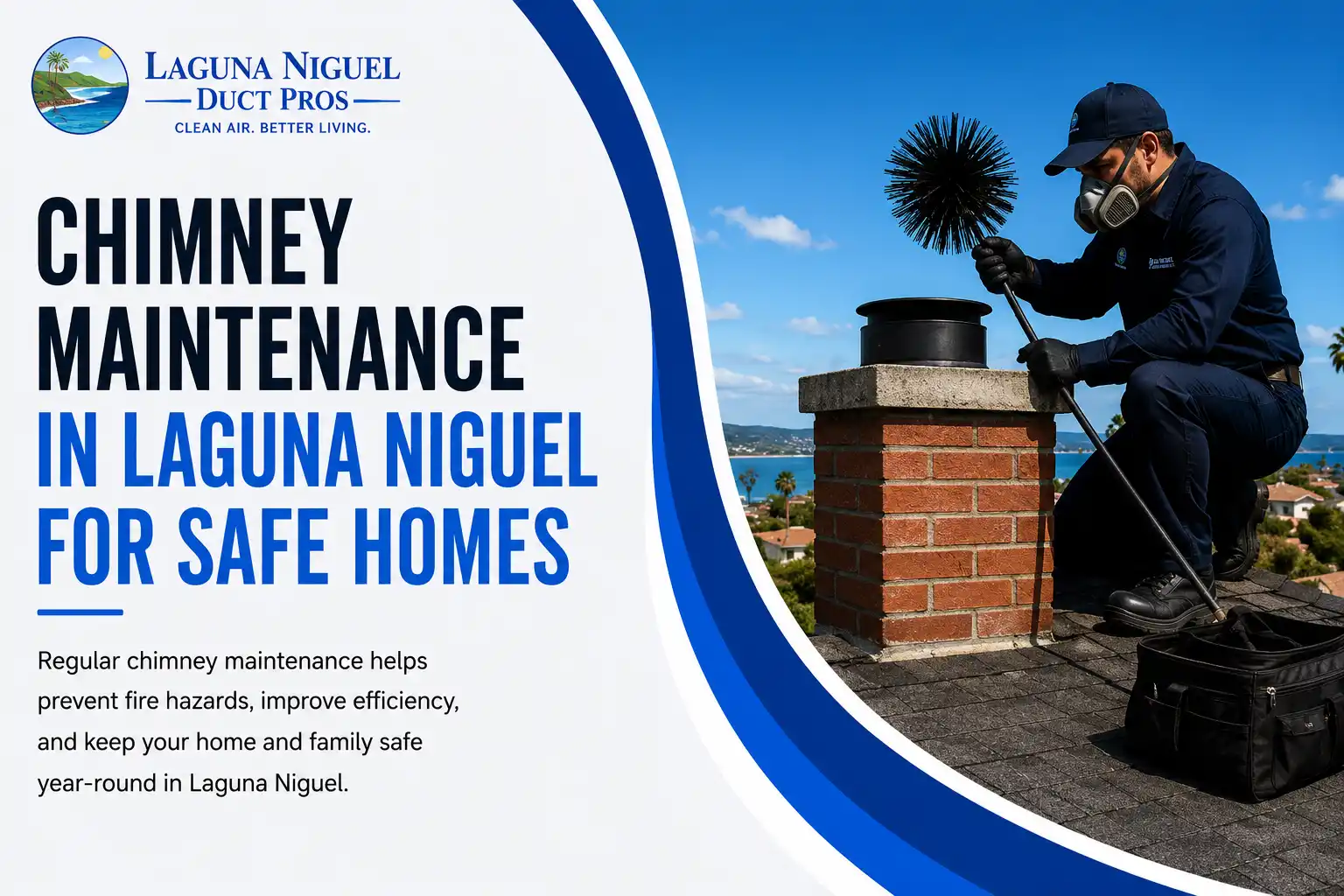
Chimney Maintenance in Laguna Niguel | Complete Guide for Safe Homes
A well-maintained chimney is essential for keeping your home safe, energy-efficient, and comfortable throughout the year. Whether you use your fireplace regularly during cooler months or only occasionally, neglecting chimney maintenance can lead to dangerous creosote buildup, poor ventilation, structural damage, and even chimney fires. Regular inspections and preventive care help ensure your fireplace operates efficiently while protecting your family from avoidable hazards. Understanding proper Chimney Maintenance in Laguna Niguel is one of the best ways to extend the life of your chimney system and maintain a safe home. Homeowners looking for dependable chimney and ventilation services often rely on Laguna Niguel Duct Pros for professional inspections, chimney sweeping, and maintenance solutions. Routine maintenance not only improves fireplace performance but also helps identify small issues before they develop into expensive structural repairs. The company provides chimney, air duct, and dryer vent services throughout Laguna Niguel and surrounding communities. If your chimney has visible cracks, water damage, deteriorating mortar, or poor drafting, scheduling a professional Chimney Repair service is one of the smartest investments you can make. Addressing masonry damage, damaged chimney caps, or flue problems early helps preserve your fireplace while reducing future repair costs. Many local homeowners also trust Chimney Services in Laguna Niguel for routine chimney inspections, sweeping, and preventive maintenance. Professional chimney care helps remove dangerous creosote buildup, improves ventilation, and keeps your fireplace operating safely throughout the year. Why Regular Chimney Maintenance Is Important Your chimney safely directs smoke, gases, and combustion byproducts outside your home. Every time you burn wood, small amounts of soot and creosote accumulate inside the flue. If left untreated, these deposits gradually restrict airflow and significantly increase the risk of a chimney fire. Routine Chimney Maintenance offers several important benefits: Improves fireplace safety Reduces chimney fire risks Enhances indoor air quality Improves drafting performance Prevents costly structural damage Extends chimney lifespan Improves heating efficiency According to Chimney information, chimneys require regular inspection and maintenance to ensure they safely vent combustion gases while preventing deterioration caused by heat, moisture, and creosote accumulation. How Often Should You Schedule Chimney Maintenance? Many homeowners assume their chimney only needs attention when something goes wrong. In reality, preventive maintenance is much more effective and affordable than waiting for repairs. Most professionals recommend: Annual chimney inspections Yearly chimney sweeping for regularly used fireplaces Additional inspections after severe storms Immediate inspections if unusual odors or smoke problems occur Homes that frequently burn wood may require chimney cleaning more often because creosote buildup develops faster with heavy fireplace use. Signs Your Chimney Needs Immediate Attention Knowing the warning signs helps prevent expensive repairs while improving household safety. Watch for: Strong smoky odors Smoke entering the room White staining on chimney bricks Cracked masonry Loose bricks Rust on the damper Water leaks around the fireplace Pieces of tile inside the firebox Animals nesting inside the flue Ignoring these issues can lead to structural damage, poor ventilation, and unsafe fireplace operation. Step 1: Schedule a Professional Chimney Inspection A professional chimney inspection is the foundation of every maintenance plan. During an inspection, technicians evaluate: Chimney cap Chimney crown Flue liner Firebox Smoke chamber Damper Masonry condition Flashing Exterior brickwork Overall structural integrity Early detection of small issues often prevents costly repairs later. Step 2: Remove Creosote and Soot Buildup One of the most important maintenance tasks is removing accumulated creosote buildup. Creosote is a highly flammable substance produced during wood combustion. As it thickens inside the flue, airflow becomes restricted while the risk of chimney fires increases. Professional chimney sweeping removes: Creosote deposits Soot Ash Dust Bird nests Leaves Debris Removing these obstructions improves fireplace efficiency while restoring proper ventilation. Step 3: Inspect the Chimney Cap and Crown The chimney cap protects your flue from rain, debris, birds, and small animals. A damaged cap allows moisture to enter the chimney system, accelerating masonry deterioration and increasing repair costs. The chimney crown should also be inspected for: Surface cracks Water penetration Missing sealant Freeze-thaw damage Maintaining these components prevents moisture from damaging the chimney’s internal structure. next Step 4: Check the Chimney Flashing The chimney flashing forms a watertight seal between your chimney and the roof. When flashing becomes loose, rusted, or damaged, water can enter your attic, ceiling, walls, and chimney structure. Common signs of flashing problems include: Water stains on ceilings Damp walls near the fireplace Mold growth Rust around the chimney base Roof leaks after rain Replacing damaged flashing early helps prevent expensive structural repairs while protecting both your chimney and roofing system. Step 5: Inspect the Chimney Masonry The brick and mortar surrounding your chimney are constantly exposed to changing weather conditions, moisture, sunlight, and temperature fluctuations. Over time, these elements can cause: Cracked bricks Deteriorating mortar joints Loose masonry Surface spalling Leaning chimney structures Even small cracks allow water to penetrate the chimney, accelerating deterioration throughout the system. Professional masonry inspections identify these issues before they become major structural concerns. Step 6: Test the Chimney Damper The chimney damper regulates airflow when your fireplace is in use. A properly functioning damper: Opens fully during fireplace operation Closes tightly when the fireplace is not in use Prevents heated or cooled indoor air from escaping Keeps rain, pests, and outdoor air from entering the chimney If the damper becomes rusted or difficult to operate, your home’s energy efficiency may decrease while drafts become more noticeable. Routine inspection keeps the damper operating smoothly throughout the year. Step 7: Prevent Water Damage Water is one of the leading causes of chimney deterioration. Moisture can damage: Brickwork Mortar joints Flue liners Chimney crowns Fireboxes Metal dampers Preventive measures include: Installing a quality chimney cap Repairing damaged flashing Sealing masonry when appropriate Repairing cracks promptly Cleaning gutters near the chimney Protecting your chimney from moisture greatly extends its lifespan while reducing future repair costs. Common Chimney Problems Homeowners Should Never Ignore Routine inspections often uncover problems before they become dangerous. Some of the most common chimney issues include: Creosote Buildup Heavy creosote

What Is the Difference Between Chimney Sweep and Cleaning?
Many homeowners use the terms chimney sweep and chimney cleaning interchangeably, assuming they refer to the same service. While they are closely related, there are subtle differences between the two. Understanding these differences can help you choose the right service for your fireplace and ensure your chimney remains safe, efficient, and compliant with maintenance recommendations. Whether you use your fireplace occasionally during winter or rely on it throughout the colder months, regular chimney maintenance is essential. Over time, soot, creosote, ash, and other debris accumulate inside the chimney, increasing the risk of chimney fires and reducing the efficiency of your fireplace. Knowing what each service includes allows homeowners to make informed decisions about protecting their property and family. What Is a Chimney Sweep? Traditionally, a chimney sweep refers to both the professional and the process of removing soot, creosote, and debris from the inside of a chimney. Historically, chimney sweeps manually cleaned flues using specialized brushes and rods to ensure smoke could safely exit the home. Today, the term “chimney sweep” often refers to a trained technician who performs comprehensive chimney maintenance. Modern chimney sweeps use advanced equipment, inspection cameras, high-powered vacuums, and specialized brushes to clean and inspect chimney systems safely. In many cases, when someone schedules a chimney sweep, they are booking a complete maintenance service that includes cleaning, inspection, and recommendations for repairs if needed. What Is Chimney Cleaning? Chimney cleaning specifically refers to the removal of soot, creosote, ash, bird nests, leaves, and other obstructions from the chimney flue and fireplace system. The primary purpose of chimney cleaning is to eliminate combustible deposits that accumulate as wood burns. Creosote, a highly flammable byproduct of wood combustion, gradually coats the interior walls of the chimney. If left untreated, excessive creosote buildup becomes one of the leading causes of residential chimney fires. Professional chimney cleaning restores proper airflow, improves fireplace performance, and reduces the risk of dangerous blockages caused by debris or animal nests. Are Chimney Sweeping and Chimney Cleaning the Same? In modern fireplace maintenance, the two terms are often used interchangeably because most professional chimney sweeps perform chimney cleaning as part of their service. However, the distinction lies in the scope of the work. A chimney cleaning focuses primarily on removing soot, creosote, and debris from the chimney system. A chimney sweep typically provides a more comprehensive service that includes cleaning, inspecting the chimney structure, evaluating the flue liner, checking the chimney cap, identifying safety hazards, and recommending repairs when necessary. When hiring a professional, it’s always a good idea to ask exactly what services are included in the appointment. Why Chimney Cleaning Is Important Every time you burn wood, tiny particles of soot and creosote travel upward with the smoke. Although much of the smoke exits the chimney, some combustion byproducts cling to the flue walls. Over time, these deposits accumulate into thick layers that restrict airflow and increase fire hazards. Blocked chimneys also allow smoke, carbon monoxide, and harmful gases to re-enter your home instead of venting safely outdoors. Routine chimney cleaning removes these dangerous deposits, helping your fireplace operate more efficiently while protecting your family’s health and safety. What Happens During a Professional Chimney Sweep? A professional chimney sweep begins by inspecting the fireplace, chimney, and flue to assess their overall condition. The technician checks for creosote buildup, structural damage, cracked flue liners, blockages, moisture intrusion, and signs of animal activity. Protective coverings are placed around the fireplace to keep your home clean throughout the process. Specialized rotary brushes, flexible rods, and industrial vacuums are then used to remove soot, ash, and creosote from the chimney walls. The technician also cleans accessible portions of the smoke chamber, damper, and firebox before conducting a final inspection to ensure the chimney is operating safely. If any problems are discovered during the inspection, homeowners receive recommendations for repairs or additional maintenance. How Often Should You Schedule Chimney Cleaning? The frequency of chimney maintenance depends on how often you use your fireplace. Most chimney professionals recommend scheduling an inspection at least once each year, even if the fireplace is used only occasionally. Homes that burn wood regularly may require more frequent cleaning due to faster creosote accumulation. Gas fireplaces also benefit from annual inspections, although they generally produce far less creosote than wood-burning fireplaces. Routine inspections allow technicians to detect developing problems before they become expensive repairs. Signs Your Chimney Needs Cleaning Several warning signs indicate that it’s time to schedule professional chimney maintenance. A strong smoky odor coming from the fireplace during warm weather often signals excessive creosote buildup. Poor fireplace draft, smoke entering the room, black soot around the fireplace opening, or visible creosote inside the flue are also common indicators. Animal noises, nesting materials, or falling debris may suggest birds or small animals have entered the chimney. If your fireplace hasn’t been inspected within the past year, scheduling professional service is recommended regardless of visible symptoms. The Benefits of Regular Chimney Maintenance Routine chimney sweeping and cleaning provide several long-term benefits beyond fire prevention. Clean chimneys improve fireplace efficiency by allowing smoke and combustion gases to exit more freely. Better airflow creates cleaner burning fires and helps reduce smoke inside the home. Regular maintenance also extends the lifespan of the chimney by identifying small structural issues before they become major repairs. Cracked flue liners, deteriorating mortar joints, damaged chimney caps, and water intrusion can all be addressed early through routine inspections. Most importantly, regular maintenance significantly reduces the risk of dangerous chimney fires caused by excessive creosote accumulation. Why You Should Hire a Professional Chimney Sweep Although chimney cleaning kits are available for homeowners, professional chimney sweeping provides a much more thorough level of service. Certified chimney technicians have specialized equipment that reaches the entire flue while containing soot and debris. They also receive training to identify structural damage, hidden fire hazards, ventilation issues, and code violations that homeowners may overlook. Professional chimney sweeps follow industry standards and provide valuable recommendations that help
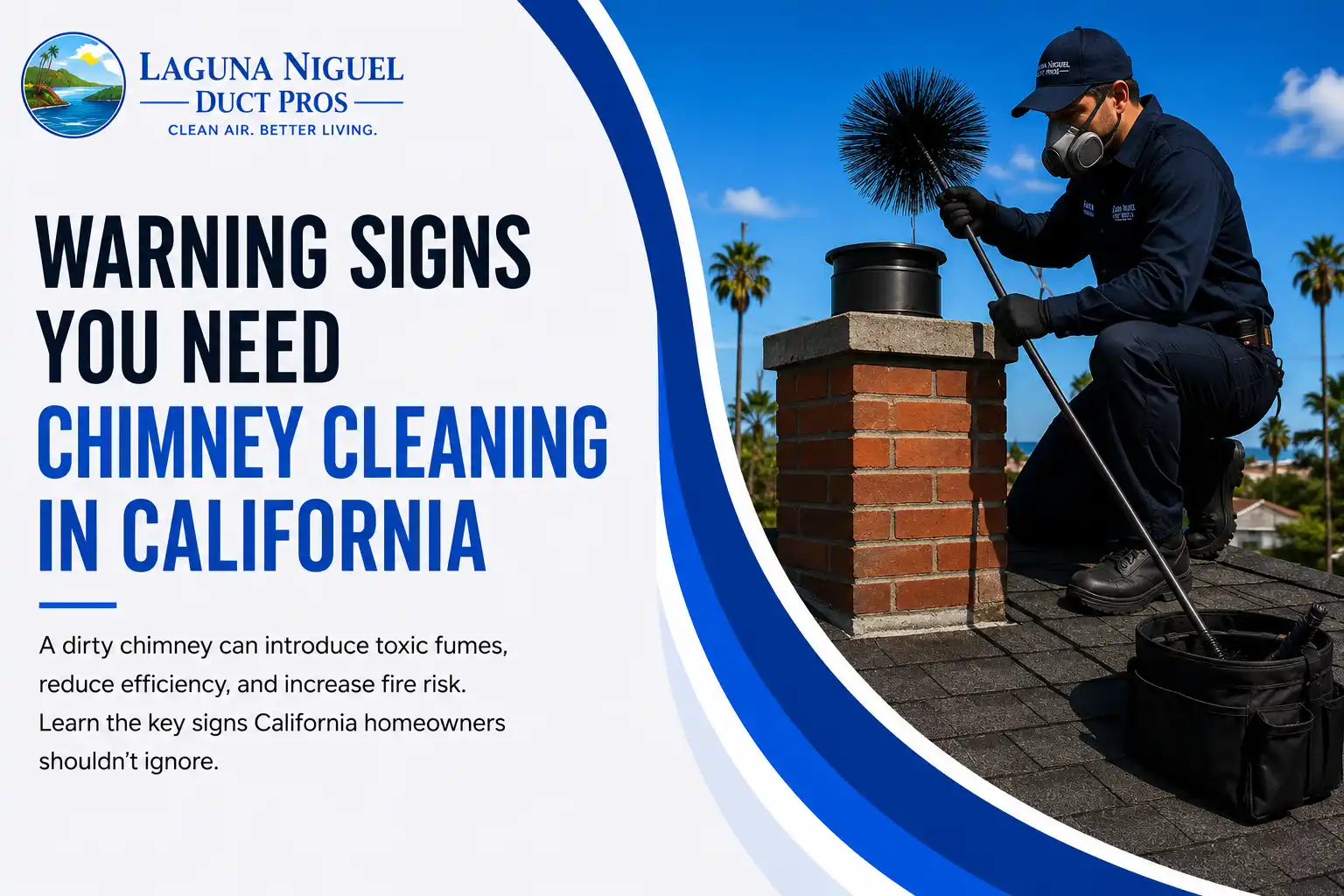
Top Warning Signs You Need a Chimney Cleaning in California
A fireplace adds warmth, comfort, and character to your home, especially during California’s cooler months. However, many homeowners don’t realize that every fire leaves behind soot, ash, and creosote buildup inside the chimney. Over time, these deposits can reduce airflow, affect fireplace performance, and increase the risk of a dangerous chimney fire. Regular chimney cleaning California services are an important part of home maintenance. A clean chimney helps your fireplace burn more efficiently, improves indoor air quality, and reduces safety hazards caused by blocked or dirty flues. Unfortunately, chimney problems often develop gradually, making them easy to overlook until noticeable warning signs appear. Understanding the top warning signs you need a chimney cleaning in California allows you to address issues before they become expensive repairs or serious safety concerns. Whether you use a traditional wood-burning fireplace or another type of fireplace system, routine professional chimney cleaning and a yearly chimney inspection help keep your home safe throughout the heating season. In this guide, you’ll learn how to recognize the most common warning signs, understand why regular maintenance matters, and know when it’s time to schedule a chimney cleaning service. Why Regular Chimney Cleaning Is Important Your chimney is designed to safely carry smoke, gases, and combustion byproducts out of your home. As you continue using your fireplace, soot and creosote naturally collect along the inside of the chimney flue, reducing its ability to vent smoke efficiently. Routine chimney cleaning helps remove these deposits before they become hazardous. Without regular maintenance, even a small amount of creosote buildup can eventually become highly flammable, increasing the risk of a chimney fire. Keeping your chimney clean provides several important benefits: Improves fireplace performance. Supports better indoor air quality. Reduces smoke entering your home. Extends the life of the chimney liner. Prevents costly repairs. Supports overall fireplace maintenance. Annual chimney inspection services are equally important because they identify hidden problems such as cracks, damaged liners, moisture intrusion, or animal blockages that may not be visible from outside the chimney. Professional cleaning also improves the performance of your home’s ventilation system, helping smoke and harmful gases exit your home more effectively. Top Warning Signs You Need a Chimney Cleaning in California Many chimney problems begin with small warning signs that become more noticeable over time. Recognizing these symptoms early can help prevent more serious issues while protecting your family and property. Excessive Creosote Buildup One of the most serious warning signs is heavy creosote buildup inside the chimney. Creosote is a dark, sticky substance created when wood smoke cools inside the chimney flue. Every time you burn wood, a small amount of creosote forms on the flue walls. As the deposits become thicker, they restrict airflow and create a highly combustible surface. There are three stages of creosote accumulation: Light flaky soot Sticky tar-like deposits Thick hardened glaze The later stages are extremely difficult to remove without professional chimney cleaning. Excessive creosote can: Restrict airflow. Produce unpleasant odors. Reduce fireplace efficiency. Increase chimney fire risk. Damage the chimney liner over time. Because creosote is difficult to evaluate without specialized equipment, scheduling routine chimney inspection appointments helps identify dangerous buildup before it becomes a serious hazard. Black Soot Around the Fireplace Another common warning sign is black soot around fireplace openings, fireplace doors, or surrounding walls. Although a small amount of soot is normal, excessive soot usually indicates incomplete combustion or poor ventilation. Heavy soot deposits may result from: Burning unseasoned firewood. Restricted airflow. A dirty chimney flue. Poor fireplace draft. Excessive creosote accumulation. Ignoring soot buildup allows additional residue to collect inside the chimney, making future cleanings more difficult. Professional chimney soot removal removes these deposits while restoring proper airflow throughout the system. If you notice soot accumulating more quickly than usual, it’s a good indication that your chimney should be professionally cleaned before using the fireplace again. Smoke Backing Up Into Your Home Perhaps the most noticeable sign is smoke backing up into the room instead of flowing safely outside. A properly functioning fireplace should immediately draw smoke upward through the chimney. When smoke enters your living space, something is preventing normal airflow. Common causes include: A blocked chimney flue Heavy creosote deposits Debris inside the chimney A damaged chimney cap Poor fireplace draft Animal blockages Besides creating unpleasant odors, smoke introduces fine particles and harmful gases into your home that may affect indoor air quality. If your fireplace suddenly begins producing smoke indoors, discontinue using it until a professional chimney cleaning service can inspect the system. Chimney Smells Like Smoke Even When Not in Use If your chimney smells like smoke during warm weather or when the fireplace hasn’t been used recently, it’s often a sign that creosote and soot have accumulated inside the chimney. Creosote has a strong smoky odor that becomes even more noticeable during humid or rainy conditions. Several issues may contribute to lingering odors: Heavy creosote buildup Moisture inside the chimney Dirty smoke chamber Poor ventilation Restricted airflow Although air fresheners may temporarily mask the smell, they don’t solve the underlying problem. A thorough chimney cleaning removes odor-causing deposits while improving ventilation and fireplace performance. Persistent smoke odors should never be ignored because they often indicate that the chimney needs professional attention before the next heating season. Fireplace Not Drafting Properly If your fireplace not drafting properly, it is one of the clearest signs that your chimney needs attention. A properly functioning fireplace should pull smoke, heat, and combustion gases up through the chimney flue. When the draft becomes weak, smoke can linger inside your home, making fires difficult to maintain and reducing heating efficiency. Several issues can cause a poor draft, including: A blocked chimney flue Heavy creosote buildup A damaged or clogged chimney cap Excessive soot deposits Cold air trapped inside the chimney Structural issues within the ventilation system Ignoring draft problems can lead to poor indoor air quality and increase the risk of carbon monoxide entering your home. A professional chimney inspection can identify the
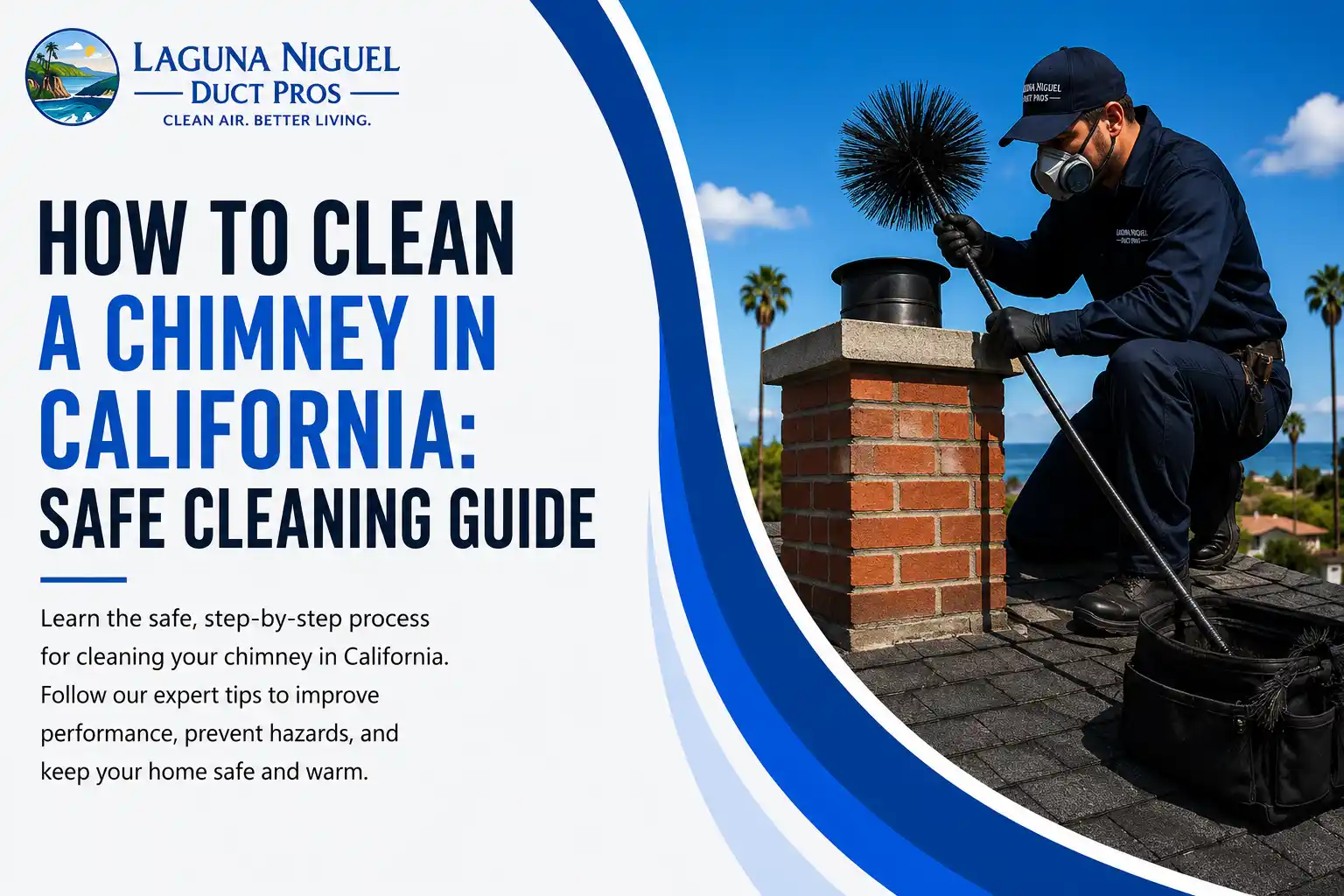
How to Clean Chimney in California with Safe Methods
A clean chimney does more than keep your fireplace looking good. It helps your entire heating system work safely and efficiently. If you use a wood-burning fireplace during California’s cooler months, regular chimney cleaning California is one of the most important maintenance tasks you can do. Over time, soot, ash, and creosote buildup collect inside the flue. If these deposits are ignored, they can restrict airflow and increase the risk of a chimney fire. Many homeowners wonder how to clean a chimney in California without damaging the chimney or putting themselves at risk. While some routine maintenance can be done yourself, safe cleaning starts with understanding how your chimney works, what tools you need, and when it’s time to call a professional. In this guide, you’ll learn how to clean a chimney safely in California, how often it should be cleaned, the best ways to remove creosote, and the common mistakes to avoid. Whether you have a traditional fireplace or a modern wood-burning stove, these practical tips will help you protect your home and improve fireplace safety throughout the year. Why Chimney Cleaning Is Important for California Homes Regular chimney maintenance California is about much more than keeping soot out of your fireplace. Every time you burn wood, smoke carries tiny particles into the chimney. As these particles cool, they stick to the inside walls and form creosote buildup. This sticky residue is highly flammable and is one of the leading causes of chimney fires. California homeowners face unique conditions that make routine California chimney cleaning even more important. Dry weather increases fire concerns across many parts of the state, while coastal areas deal with moisture that can slowly damage chimney materials. Regular cleaning and inspections help reduce both risks. Another benefit of routine fireplace maintenance is better indoor air quality. A blocked flue prevents smoke from leaving your home efficiently. Instead, smoke and harmful gases can flow back into your living space, creating unpleasant odors and affecting the air your family breathes. Keeping your chimney clean also improves fireplace efficiency. When airflow is unrestricted, fires burn hotter, cleaner, and produce less smoke. This means less wood is wasted and your fireplace performs the way it was designed. Regular maintenance also allows you to spot problems early. Small cracks in the chimney liner, damaged flashing, or a loose chimney cap are easier and less expensive to repair before they become major structural issues. How California’s Climate Affects Chimney Maintenance California’s climate varies from region to region, but each environment presents different maintenance challenges. In dry inland areas, fireplaces may sit unused for months before being used heavily during winter. Dust, nesting animals, and debris can collect inside the flue during that time. Without proper chimney inspection California, these blockages may go unnoticed until smoke starts backing into the home. In coastal communities, moisture becomes the biggest concern. Salt air and humidity gradually weaken masonry joints and metal components such as the flue liner, chimney cap, and damper. Regular inspections help catch corrosion before it affects chimney performance. Wildfire seasons also make preventive maintenance even more valuable. A clean chimney reduces the chance that sparks or excessive heat inside the flue could contribute to fire hazards. Benefits of Regular Chimney Cleaning Scheduling regular residential chimney cleaning offers several important benefits.First, it helps prevent chimney fires by removing dangerous creosote deposits before they become thick enough to ignite.Second, it improves airflow throughout the chimney system. Better ventilation allows smoke to exit quickly while helping your fireplace burn more efficiently. Routine cleaning also protects expensive chimney components such as the smoke chamber, firebox, chimney flue, and chimney liner, extending the life of the entire system. Finally, annual maintenance provides peace of mind. Instead of wondering whether your chimney is safe every winter, you’ll know it has been cleaned and inspected properly. How Often Should You Clean Your Chimney in California? One of the most common questions homeowners ask is how often should you clean your chimney in California. The answer depends on how often you use your fireplace and the type of fuel you burn. Most experts recommend scheduling annual chimney maintenance at least once every year. Even if you only use your fireplace occasionally, birds, leaves, and debris can block the chimney during the off-season. If you rely on a wood-burning fireplace throughout winter, inspections may be needed more often. A good rule is to have your chimney cleaned whenever creosote buildup reaches about one-eighth of an inch. Recommended Cleaning Frequency Wood-burning fireplaces should typically be inspected every year and cleaned as needed. Since burning wood naturally produces more soot and creosote, these systems require the most attention. Gas fireplaces stay cleaner but still need routine inspections because blockages, damaged venting, or animal nests can interfere with safe operation. Pellet stoves produce less creosote than traditional fireplaces, but ash can still accumulate inside the venting system, making regular maintenance important. Signs Your Chimney Needs Cleaning Even if you follow an annual schedule, there are warning signs that indicate your chimney should be cleaned sooner.Heavy black deposits inside the fireplace often point to excessive chimney soot removal needs.A strong smoky odor, even when the fireplace is not being used, may indicate heavy creosote accumulation. If smoke enters your room instead of rising through the chimney, restricted airflow is often the cause.You should also inspect for visible debris, animal nests, or pieces of masonry that may have fallen into the flue. These issues can prevent proper ventilation and should be addressed before lighting another fire. Recognizing these early warning signs helps keep your fireplace operating safely while reducing the likelihood of costly repairs later. How to Clean a Chimney Safely in California If you’re wondering how to clean a chimney safely in California, the key is to prepare properly and know your limits. Basic chimney cleaning can remove loose soot and light deposits, but heavy creosote removal or structural repairs should always be left to professionals. Before you begin, make sure the fireplace

How Much Does Chimney Sweeping Cost and Cleaning Cost?
Keeping your chimney clean is one of the simplest ways to protect your home and get the best performance from your fireplace. Many homeowners only think about chimney maintenance when they notice smoke, unpleasant odors, or poor airflow. By that point, soot and creosote buildup may already be affecting the system. Understanding chimney sweeping cost and chimney cleaning cost helps you plan for regular maintenance instead of waiting until a small issue becomes an expensive repair. Whether you use a wood-burning fireplace, a gas fireplace, or a stove, routine cleaning keeps your chimney working efficiently while reducing the risk of chimney fires and carbon monoxide problems. The average chimney cleaning cost depends on several factors, including the chimney’s size, accessibility, condition, and whether an inspection is required. Some homes only need a standard cleaning, while others require additional services such as chimney flue cleaning, soot removal, or a detailed chimney safety inspection. In this guide, you’ll learn how much does chimney sweeping cost, what affects pricing, what services are usually included, and why hiring a professional chimney sweep is often the safest and most cost-effective choice. What Is Chimney Sweeping and Why Is It Important? A chimney works as the ventilation system for your fireplace. Every time you burn wood or other fuel, smoke, ash, and tiny particles travel through the flue. Over time, these materials stick to the inside walls of the chimney and form deposits that can restrict airflow and increase fire risks. Chimney sweeping is the process of removing these harmful deposits using specialized brushes, vacuums, and inspection tools. It also allows technicians to identify early signs of damage before they become serious problems. Many homeowners assume that a fireplace is clean simply because it looks clean from the outside. In reality, the inside of the flue is where most problems develop. Regular maintenance keeps the entire system operating safely while improving heating performance. What Does a Professional Chimney Sweep Do? A professional chimney sweep does much more than brush soot from the chimney walls. During a service visit, the technician carefully inspects the entire chimney system to make sure it is safe and functioning properly. A standard service may include: Removing creosote deposits and soot. Performing chimney flue cleaning. Cleaning the smoke chamber. Inspecting the chimney liner for damage. Checking the fireplace damper for proper operation. Looking for cracks, blockages, or signs of moisture damage. Providing a chimney cleaning estimate if repairs are needed. If animals, bird nests, or heavy debris are found inside the chimney, additional cleaning may also be required before the fireplace can be safely used again. Hiring a certified chimney sweep gives homeowners confidence that the work is completed safely and according to industry standards. Benefits of Regular Chimney Cleaning Routine fireplace maintenance offers several important benefits beyond keeping your fireplace clean. One of the biggest advantages is improved safety. Creosote buildup is highly flammable, making it one of the leading causes of chimney fires. Removing it on a regular schedule greatly reduces this risk. Regular cleaning also improves airflow. When smoke can move freely through the chimney, your fireplace burns more efficiently and produces less indoor smoke. Another benefit is preventing expensive repairs. Small cracks, damaged liners, and moisture problems are much easier and less expensive to fix when discovered early during a chimney inspection. Homeowners who invest in annual chimney cleaning often enjoy: Better heating efficiency Cleaner indoor air Reduced smoke odors Longer chimney lifespan Lower long-term chimney maintenance cost How Much Does Chimney Sweeping Cost? One of the most common questions homeowners ask is, how much does chimney sweeping cost? The answer depends on the condition of your chimney and the services included. A standard cleaning usually costs less than a cleaning that requires a camera inspection, heavy creosote removal, or repairs. The average chimney cleaning cost generally reflects the amount of labor involved. A well-maintained chimney usually takes less time to clean than one that has been neglected for several years. When comparing chimney cleaning prices, it’s important to understand what is included in the service. Some companies include a basic inspection with the cleaning, while others charge separately for inspections or additional maintenance. Instead of choosing the lowest price, homeowners should compare the overall value of the service. A thorough inspection can identify problems before they become major repairs, saving money over time. If you’re searching for professional chimney cleaning cost near me, request a detailed quote that clearly explains what services are included. How Much Does Chimney Cleaning Cost for Different Chimney Types? Not every chimney requires the same amount of work. Different fuel types create different cleaning needs. Wood-Burning Fireplaces The chimney cleaning cost for wood-burning fireplace systems is often higher because wood creates more soot and creosote than other fuels. Frequent use may require more regular cleaning. Gas Fireplaces Gas fireplaces burn much cleaner than wood. However, they still require periodic inspections to check for blockages, damaged liners, or ventilation issues. Pellet Stove Chimneys Pellet appliances produce less creosote but still leave ash that must be removed regularly to maintain proper airflow. Masonry Chimneys Older masonry chimneys often require additional attention because bricks and mortar can deteriorate over time. A thorough fireplace chimney inspection helps identify structural problems before they become serious. Metal Chimneys Metal chimney systems are generally easier to maintain, but they still require routine inspections to ensure joints, liners, and caps remain in good condition. What Factors Affect Chimney Sweeping Cost? Several variables influence the final chimney sweep service cost. Understanding these factors helps homeowners know what to expect when requesting a quote. Chimney Height and Accessibility One of the biggest pricing factors is accessibility. A chimney on a single-story home is usually easier and faster to service than one on a multi-story property. Steep roofs, limited roof access, or unusually tall chimneys increase labor time and safety requirements. These conditions often affect the overall chimney sweeping cost because technicians need additional equipment and precautions. Amount of Creosote Buildup The

Why Is Chimney Sweeping Essential for Every Homeowner?
Many homeowners enjoy the warmth and comfort of a fireplace, but few realize how important regular Chimney Sweeping is for maintaining a safe and efficient home. Every time a fireplace or wood burning stove is used, smoke, soot, and creosote travel through the chimney. Over time, these substances accumulate inside the flue and create serious safety hazards. Professional Chimney Sweeping removes these deposits and helps keep the entire venting system functioning properly. A routine chimney sweep service not only improves airflow but also reduces the risk of chimney fires, smoke damage, and harmful gas exposure. Neglecting chimney maintenance can lead to expensive repairs and dangerous conditions. This is why homeowners should view chimney service as an essential part of routine home maintenance rather than an optional task. Understanding Professional Chimney Sweeping A professional certified chimney sweep performs much more than basic cleaning. During a service appointment, technicians inspect the chimney structure, remove soot and creosote buildup, assess potential damage, and identify issues that could compromise safety. Professional chimney sweeps use specialized brushes, vacuums, and inspection equipment to clean areas that are difficult to access. Their goal is to ensure that smoke, gases, and heat can exit the home safely. Many homeowners searching for chimney sweeps near me are often surprised to learn that regular maintenance can significantly extend the lifespan of both the fireplace and chimney system. Common Problems Caused by Dirty Chimneys When chimneys are not cleaned regularly, several issues can develop: A dirty chimney can also place additional stress on fireplace components, leading to costly chimney repair needs in the future. Benefits of Hiring a Certified Chimney Sweep Hiring a CSIA certified professional provides peace of mind. Technicians trained through the Chimney Safety Institute of America follow recognized industry standards and best practices. A qualified chimney professional understands how to identify hidden structural problems, recommend necessary maintenance, and ensure the chimney operates safely. Working with professionals who hold CSIA certifications helps homeowners avoid unnecessary risks while protecting their investment. Key Benefits of Regular Chimney Sweep Services Improved Fireplace and Chimney Safety The most important reason to schedule regular chimney sweep services is safety. Creosote is a highly flammable substance that forms when wood burns. Even a small amount of buildup can ignite and cause a chimney fire. Routine chimney cleaning removes these deposits before they become dangerous. Regular maintenance also helps prevent carbon monoxide from entering the home. Blocked chimneys can prevent harmful gases from escaping properly, creating serious health risks for occupants. For homeowners, maintaining a clean fireplace and chimney system is one of the most effective ways to reduce fire hazards. Better Heating Efficiency A clean chimney promotes better airflow and improves overall fireplace performance. When soot and debris restrict airflow, fires burn less efficiently. This often results in excess smoke, unpleasant odors, and wasted fuel. Professional vent cleaning and chimney maintenance help restore proper draft conditions. Whether you use a traditional fireplace or a wood burning stove, regular cleaning can improve heating efficiency and create a more enjoyable indoor environment. Extending the Life of Your Chimney Routine maintenance helps prevent wear and deterioration. During a chimney inspection, technicians can identify small problems before they become major structural concerns. Issues such as cracked mortar joints, damaged liners, and deteriorating chimney caps can often be addressed early. Preventative maintenance reduces the likelihood of extensive masonry repairs and costly chimney restoration projects. Lower Long-Term Maintenance Costs Many homeowners hesitate because they are concerned about chimney sweep cost, but regular maintenance often saves money over time. Routine cleaning helps prevent: Compared to extensive repair work, annual chimney maintenance is typically a far more affordable investment. What Does a Professional Chimney Sweep Service Include? Comprehensive Chimney Cleaning A complete chimney clean sweep removes accumulated soot, ash, and creosote from the chimney interior. Technicians carefully clean the flue, smoke chamber, and accessible fireplace components. This process helps improve airflow and ensures the chimney functions properly throughout the year. Regular chimney cleaning also minimizes unpleasant odors and reduces the chance of smoke backing up into the home. Chimney Inspections and Safety Checks Professional chimney inspections are a critical part of chimney maintenance. During an inspection, technicians evaluate: These assessments help identify potential hazards before they become expensive problems. Chimney Repair Recommendations If damage is discovered during cleaning or inspection, technicians may recommend appropriate chimney repair solutions. Common repair services include: Taking care of minor issues early can prevent significant structural deterioration later. How Much Does Chimney Sweep Cost? One of the most frequently searched questions online is how much does chimney sweep cost. The answer depends on several factors, including chimney size, accessibility, buildup levels, and whether inspections are included with the service. Factors That Affect Chimney Sweep Cost Several variables influence overall sweep cost, including: Because every chimney system is unique, homeowners should request an inspection for an accurate estimate. Is Professional Chimney Sweeping Worth the Investment? Absolutely. The cost of routine maintenance is small compared to the expense of repairing fire damage, replacing chimney components, or dealing with structural issues. A professional chimney sweep service protects your home, improves efficiency, and helps prevent potentially dangerous situations. For most homeowners, regular chimney maintenance provides significant value and long-term savings. Conclusion Regular Chimney Sweeping is one of the most important maintenance tasks homeowners can perform to protect their property, improve heating efficiency, and reduce fire risks. A clean chimney allows smoke and harmful gases to exit safely while helping fireplaces and wood burning stove systems operate at their best. Routine chimney cleaning, chimney inspections, and timely chimney repair services can prevent costly damage and extend the lifespan of your entire fireplace system. Whether you are concerned about chimney sweep cost, searching for chimney sweeps near me, or looking for a certified chimney sweep, investing in professional maintenance is always worthwhile. By scheduling regular service, homeowners can enjoy a safer, cleaner, and more efficient home throughout the year. If you’re looking for trusted chimney care and maintenance solutions, Laguna Niguel Duct Pros