
Many homeowners use the terms chimney sweep and chimney cleaning interchangeably, assuming they refer to the same service. While they are closely related, there are subtle differences between the two. Understanding these differences can help you choose the right service for your fireplace and ensure your chimney remains safe, efficient, and compliant with maintenance recommendations.
Whether you use your fireplace occasionally during winter or rely on it throughout the colder months, regular chimney maintenance is essential. Over time, soot, creosote, ash, and other debris accumulate inside the chimney, increasing the risk of chimney fires and reducing the efficiency of your fireplace. Knowing what each service includes allows homeowners to make informed decisions about protecting their property and family.
What Is a Chimney Sweep?
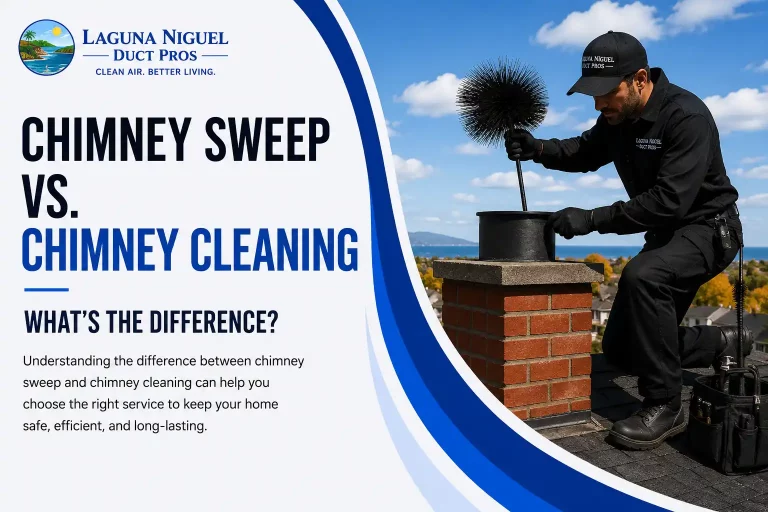
Traditionally, a chimney sweep refers to both the professional and the process of removing soot, creosote, and debris from the inside of a chimney. Historically, chimney sweeps manually cleaned flues using specialized brushes and rods to ensure smoke could safely exit the home.
Today, the term “chimney sweep” often refers to a trained technician who performs comprehensive chimney maintenance. Modern chimney sweeps use advanced equipment, inspection cameras, high-powered vacuums, and specialized brushes to clean and inspect chimney systems safely.
In many cases, when someone schedules a chimney sweep, they are booking a complete maintenance service that includes cleaning, inspection, and recommendations for repairs if needed.
What Is Chimney Cleaning?
Chimney cleaning specifically refers to the removal of soot, creosote, ash, bird nests, leaves, and other obstructions from the chimney flue and fireplace system.
The primary purpose of chimney cleaning is to eliminate combustible deposits that accumulate as wood burns. Creosote, a highly flammable byproduct of wood combustion, gradually coats the interior walls of the chimney. If left untreated, excessive creosote buildup becomes one of the leading causes of residential chimney fires.
Professional chimney cleaning restores proper airflow, improves fireplace performance, and reduces the risk of dangerous blockages caused by debris or animal nests.
Are Chimney Sweeping and Chimney Cleaning the Same?
In modern fireplace maintenance, the two terms are often used interchangeably because most professional chimney sweeps perform chimney cleaning as part of their service.
However, the distinction lies in the scope of the work.
A chimney cleaning focuses primarily on removing soot, creosote, and debris from the chimney system.
A chimney sweep typically provides a more comprehensive service that includes cleaning, inspecting the chimney structure, evaluating the flue liner, checking the chimney cap, identifying safety hazards, and recommending repairs when necessary.
When hiring a professional, it’s always a good idea to ask exactly what services are included in the appointment.
Why Chimney Cleaning Is Important
Every time you burn wood, tiny particles of soot and creosote travel upward with the smoke. Although much of the smoke exits the chimney, some combustion byproducts cling to the flue walls.
Over time, these deposits accumulate into thick layers that restrict airflow and increase fire hazards. Blocked chimneys also allow smoke, carbon monoxide, and harmful gases to re-enter your home instead of venting safely outdoors.
Routine chimney cleaning removes these dangerous deposits, helping your fireplace operate more efficiently while protecting your family’s health and safety.
What Happens During a Professional Chimney Sweep?
A professional chimney sweep begins by inspecting the fireplace, chimney, and flue to assess their overall condition. The technician checks for creosote buildup, structural damage, cracked flue liners, blockages, moisture intrusion, and signs of animal activity.
Protective coverings are placed around the fireplace to keep your home clean throughout the process. Specialized rotary brushes, flexible rods, and industrial vacuums are then used to remove soot, ash, and creosote from the chimney walls.
The technician also cleans accessible portions of the smoke chamber, damper, and firebox before conducting a final inspection to ensure the chimney is operating safely.
If any problems are discovered during the inspection, homeowners receive recommendations for repairs or additional maintenance.
How Often Should You Schedule Chimney Cleaning?
The frequency of chimney maintenance depends on how often you use your fireplace.
Most chimney professionals recommend scheduling an inspection at least once each year, even if the fireplace is used only occasionally. Homes that burn wood regularly may require more frequent cleaning due to faster creosote accumulation.
Gas fireplaces also benefit from annual inspections, although they generally produce far less creosote than wood-burning fireplaces.
Routine inspections allow technicians to detect developing problems before they become expensive repairs.
Signs Your Chimney Needs Cleaning
Several warning signs indicate that it’s time to schedule professional chimney maintenance.
A strong smoky odor coming from the fireplace during warm weather often signals excessive creosote buildup. Poor fireplace draft, smoke entering the room, black soot around the fireplace opening, or visible creosote inside the flue are also common indicators.
Animal noises, nesting materials, or falling debris may suggest birds or small animals have entered the chimney.
If your fireplace hasn’t been inspected within the past year, scheduling professional service is recommended regardless of visible symptoms.
The Benefits of Regular Chimney Maintenance
Routine chimney sweeping and cleaning provide several long-term benefits beyond fire prevention.
Clean chimneys improve fireplace efficiency by allowing smoke and combustion gases to exit more freely. Better airflow creates cleaner burning fires and helps reduce smoke inside the home.
Regular maintenance also extends the lifespan of the chimney by identifying small structural issues before they become major repairs. Cracked flue liners, deteriorating mortar joints, damaged chimney caps, and water intrusion can all be addressed early through routine inspections.
Most importantly, regular maintenance significantly reduces the risk of dangerous chimney fires caused by excessive creosote accumulation.
Why You Should Hire a Professional Chimney Sweep
Although chimney cleaning kits are available for homeowners, professional chimney sweeping provides a much more thorough level of service.
Certified chimney technicians have specialized equipment that reaches the entire flue while containing soot and debris. They also receive training to identify structural damage, hidden fire hazards, ventilation issues, and code violations that homeowners may overlook.
Professional chimney sweeps follow industry standards and provide valuable recommendations that help homeowners maintain safe and efficient fireplace systems.
Conclusion
While the terms chimney sweep and chimney cleaning are often used interchangeably, they represent slightly different aspects of chimney maintenance. Chimney cleaning primarily focuses on removing soot, creosote, and debris, while a chimney sweep generally includes both cleaning and a comprehensive safety inspection.
Scheduling regular professional chimney maintenance helps improve fireplace efficiency, reduces the risk of chimney fires, protects indoor air quality, and extends the life of your chimney system. Whether you use your fireplace frequently or only during colder months, annual chimney inspections and cleanings are an essential part of responsible home maintenance.
Frequently Asked Questions
Is chimney sweeping the same as chimney cleaning?
Not exactly. Chimney cleaning focuses on removing soot and creosote, while chimney sweeping typically includes cleaning along with a full chimney inspection and safety assessment.
How often should a chimney be cleaned?
Most professionals recommend having your chimney inspected annually and cleaned whenever creosote buildup reaches unsafe levels or after regular fireplace use.
What is creosote, and why is it dangerous?
Creosote is a highly flammable substance created when wood burns. It builds up inside the chimney over time and is one of the leading causes of chimney fires if not removed.
Can I clean my chimney myself?
While basic cleaning tools are available, professional chimney sweeps have specialized equipment and training to remove buildup safely and identify hidden problems that DIY cleaning may miss.
What happens if I don’t clean my chimney?
Neglecting chimney maintenance can lead to creosote buildup, poor ventilation, smoke entering your home, carbon monoxide exposure, unpleasant odors, reduced fireplace efficiency, and an increased risk of chimney fires.